What Is Raw Dog Food?
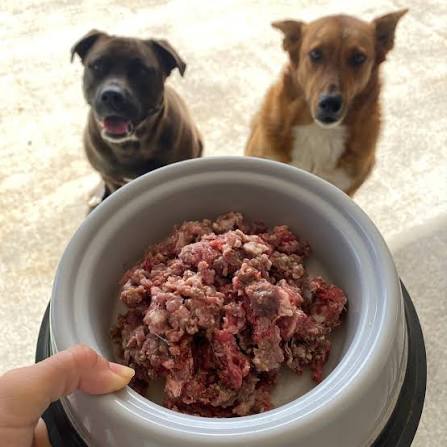
Raw dog food diets—sometimes called BARF (Biologically Appropriate Raw Food)—consist of uncooked meat, organs, bones, and sometimes vegetables. Advocates believe this mimics what dogs' wild ancestors ate, though domesticated dogs have evolved differently over thousands of years.
Potential Benefits Pet Parents Report
Shinier Coat and Healthier Skin
Many raw-feeding dog owners notice their pets develop glossier coats and less itching. This may be due to increased protein and fat intake, though the same results often come from high-quality kibble or cooked diets.
Smaller, Less Odorous Stools
Raw diets are highly digestible for many dogs, which can mean:
- Fewer bathroom trips
- Less pungent waste
- Easier cleanup
Increased Energy and Alertness
Some owners report their dogs seem more energetic and mentally sharp on raw diets. This could relate to better nutrient absorption or simply the novelty and palatability of fresh meat.
Cleaner Teeth
Chewing raw bones may help reduce tartar buildup naturally. However, dental chews and regular brushing achieve similar results with less risk.
Reduced Inflammation
Proponents suggest raw diets lower inflammation markers, potentially helping dogs with joint issues or allergies. Limited research supports this, but individual dogs do respond differently to dietary changes.
Important Considerations
Nutritional Balance Is Critical
A truly balanced raw diet requires careful planning. It's easy to overfeed certain nutrients (like calcium) or undersupply others (like vitamin D and taurine). Work with a veterinary nutritionist to ensure your dog gets complete, balanced meals.
Food Safety Concerns
Raw meat carries bacteria like E. coli and Salmonella—risks for both your dog and your household. Proper handling, storage, and hygiene are non-negotiable:
- Use separate cutting boards and utensils
- Wash hands thoroughly after handling
- Keep raw food separate from human food
- Thaw safely in the refrigerator
Bone Safety
Raw bones can splinter, cause intestinal blockages, or fracture teeth. Supervision and appropriate bone size matter significantly.
Cost
Quality raw diets are often more expensive than premium kibble, especially if purchasing from specialized raw pet food companies.
What Does the Science Say?
Large, peer-reviewed studies comparing raw diets to other feeding methods are limited. While some dogs thrive on raw food, the evidence doesn't prove raw feeding is universally superior to high-quality cooked diets.
Most veterinary organizations, including the AAFCO (Association of American Feed Control Officials), recommend cooked diets as safer and easier to balance nutritionally.
Is Raw Food Right for Your Dog?
Before switching, ask yourself:
- Can I safely handle and store raw meat?
- Am I willing to work with a veterinary nutritionist for balanced meal planning?
- Does my dog have a compromised immune system? (Raw may not be suitable)
- Can I afford the ongoing cost?
- Is my household equipped for the extra hygiene demands?
The Bottom Line
Raw dog food can offer real benefits for some dogs, particularly improved digestion and coat health. However, these improvements often happen with high-quality cooked diets too.
The key to any diet—raw, kibble, or homemade—is that it's complete, balanced, and safely prepared. If you're interested in raw feeding, consult your vet and ideally a veterinary nutritionist to create a plan that works for your dog's age, health status, and your family's situation.
This article is informational and not a substitute for veterinary advice. Always consult your vet before making major dietary changes.